
We’ve been changing childhoods and changing lives for over 150 years, and we’ll be here for as long as we’re needed.
Why we got started
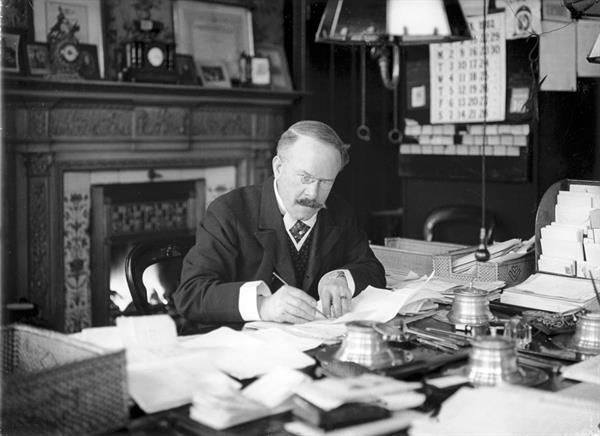
Thomas John Barnardo was born in Dublin, Ireland, in 1845. As a young man he moved to London to train as a doctor.
At the time, poverty and disease were so widespread that one in five children died before their fifth birthday. After a cholera epidemic swept through London’s East End, leaving 3,000 people dead and many children orphaned, Barnardo knew that the children left behind needed help.
In 1867, he set up a ‘ragged school’ where children could get a free basic education. One of the boys at the school, Jim Jarvis, opened Barnardo’s eyes to the hardship being faced by children around the East End, where children went to sleep on roofs and in gutters. What he saw affected him so deeply, he gave up on his medical training to focus all his energy on helping children living in poverty.
No child should be turned away
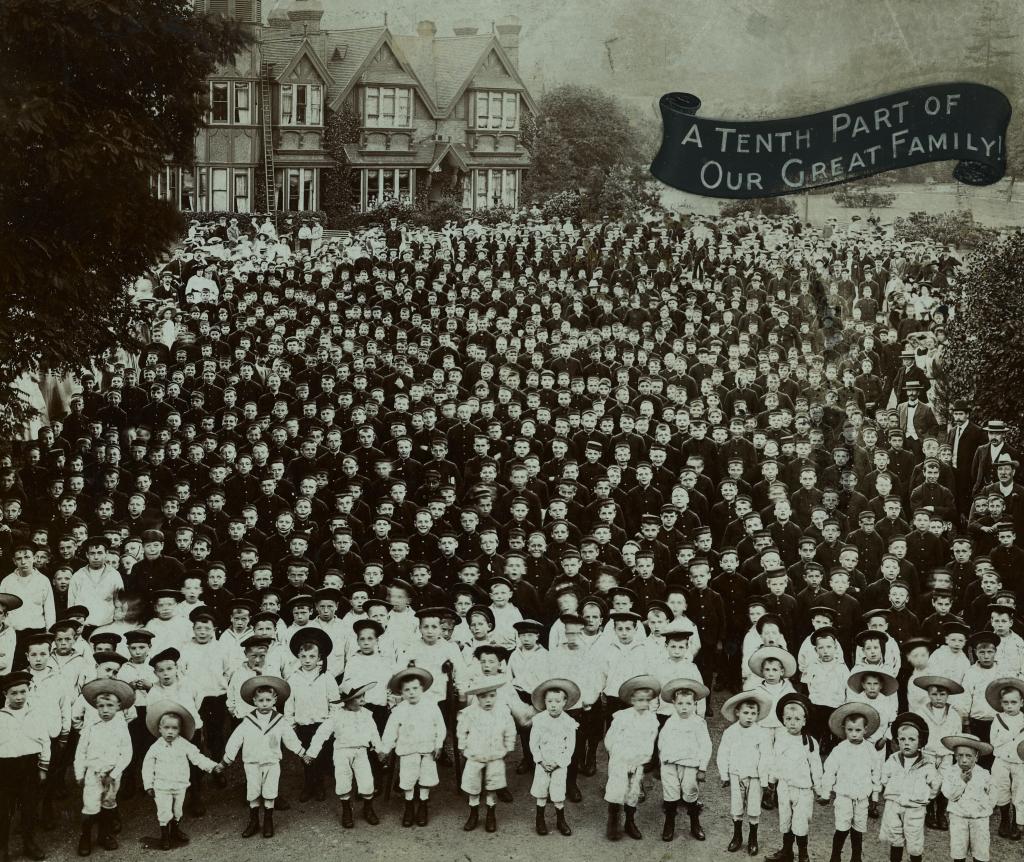
In 1870, Barnardo opened his first home for boys where the boys were able to live and learn carpentry, metalwork, and shoemaking, and get help getting into apprenticeships.
When the home first opened, there was a limit to the number of boys who could stay there. But when an 11-year-old boy was found dead of malnutrition and exposure two days after being told the home was full, Barnardo vowed never to turn another child away again.
At the time, Barnardo’s work was radical because the Victorians saw poverty as shameful, and the result of laziness or bad choices. But Barnardo refused to discriminate between the ‘deserving’ and ‘undeserving’ poor. He accepted all children, regardless of race, disability, or circumstance.
Barnardo believed that every child deserved the best possible start in life, whatever their background. This philosophy still guides our work with children, young people, and families today.
Barnardo’s girls’ village
In 1873, Barnardo married Syrie Louise Elmslie, who would end up playing a very important role in our development as a charity. As a wedding present, they were given a lease on a 60-acre site in Barkingside, east London, where the couple opened a home for girls.
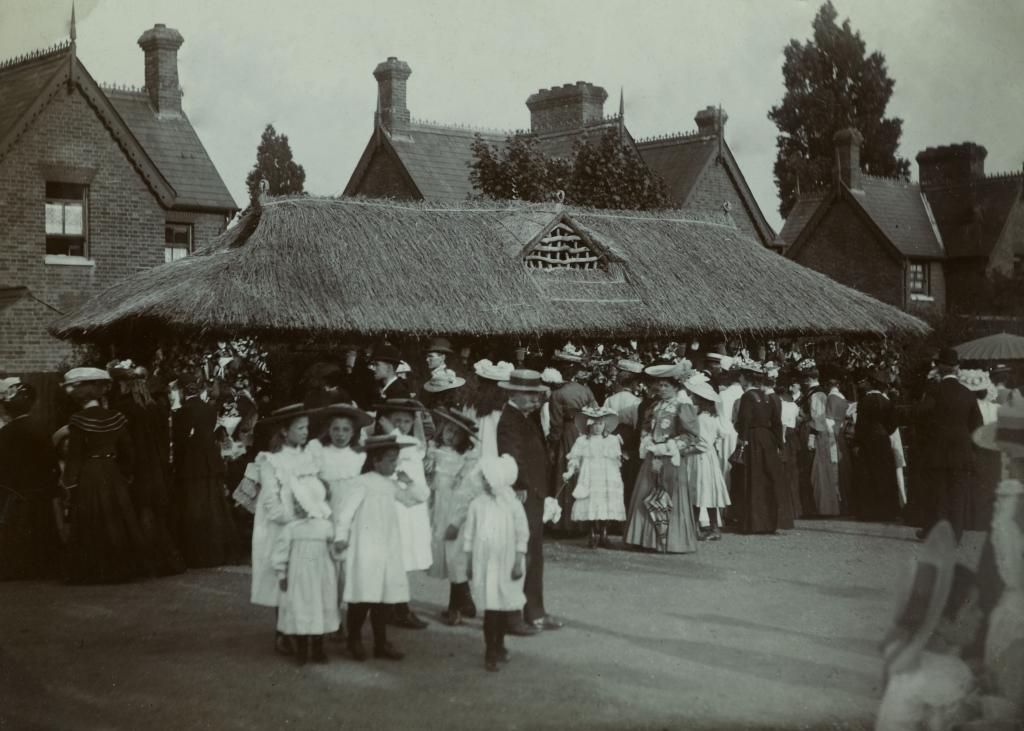
Syrie was especially keen to support girls who had been driven to prostitution. Protecting children from sexual exploitation continues to be an important part of our work today.
The Barnardos were early adopters of the ‘cottage homes’ model. They believed that children could be best supported if they were living in small, family-style groups looked after by a house ‘mother’.
By 1900, the Barkingside ‘garden village’ had 65 cottages, a school, a hospital and a church, and provided a home with training opportunities to 1,500 girls.
Supporting more than 8,500 children
Barnardo went on to open many more children’s homes. By the time he died in 1905, the charity had 96 homes caring for more than 8,500 children, including children with physical and learning difficulties.
Barnardo’s experience of caring for his daughter Marjorie, who had Down syndrome, strongly influenced his approach to the care of children with disabilities.
The start of our fostering work
Although he was famous for his children’s homes, Barnardo believed that children benefit the most from growing up in a supportive family setting.
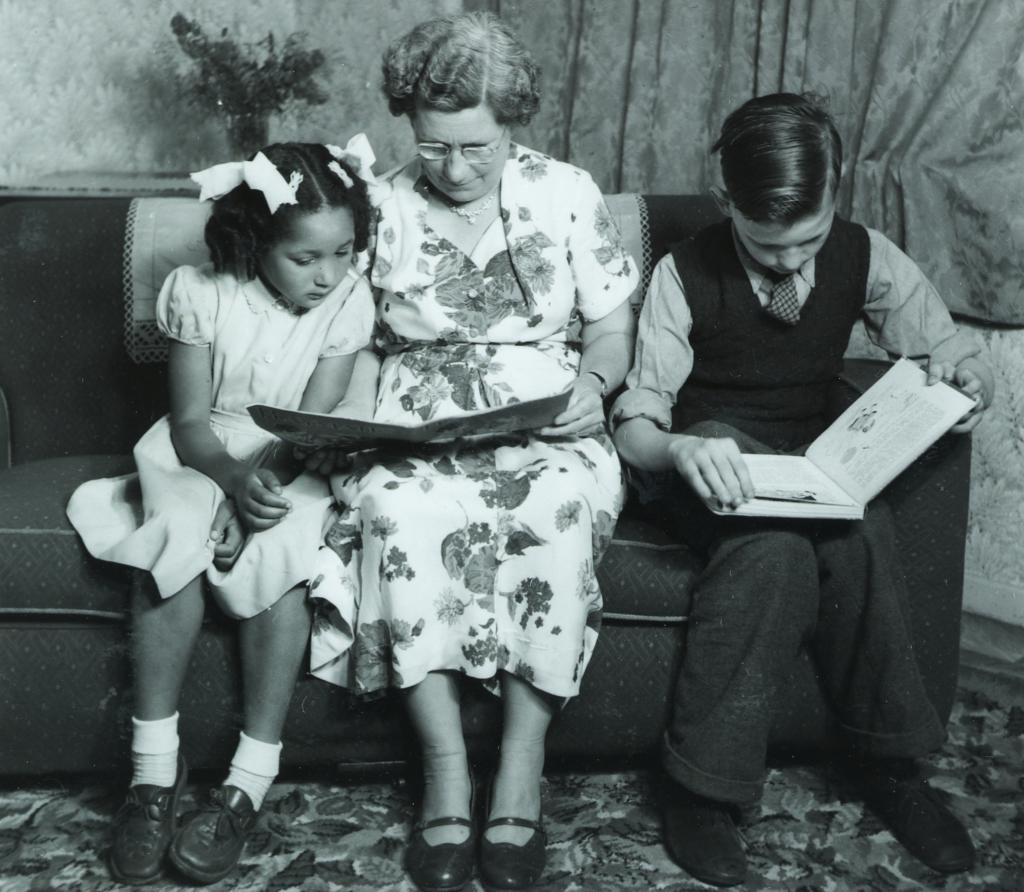
As early as 1887, he introduced the practice of ‘boarding out’ children to host families – an early form of fostering.
This wasn’t a popular idea in Victorian England, but Barnardo was determined to give children the best possible futures. By 1905, more than 4,000 children were boarded out. This paved the way for our pioneering work in foster care and adoption in the twentieth century.
Our early work with child migrants
Barnardo’s was one of many children’s charities that sent some children to start a new life in Australia or Canada from the late nineteenth century to the 1960s.
At the time, this was a popular policy supported by the British government, who believed that the children would benefit from opportunities they wouldn’t have in the UK.
We now know that it was a deeply misguided policy, however well-intentioned. The last Barnardo’s child to be migrated was in 1967, to Australia. In 2010, the British government formally apologised for the UK’s role in sending more than 130,000 child migrants to former colonies.
Supporting families after World War II
World War II was a turning point in Barnardo’s development and in the history of childcare in the UK. The disruption brought by the war caused a lot of harm on children who ended up separated from their families.
As a result, Barnardo’s began working more closely with families. For example, we offered financial aid to families when a parent couldn’t work because of illness or accident. By the end of the 1950s, almost a quarter of our work involved helping children stay with their own families.
Radical social change in the 1960s
The 1960s were a time of radical social change: single parenthood was more acceptable, contraception was more widely available which meant fewer unwanted pregnancies, and a growing welfare system meant that fewer families needed to put their children into care.
That meant that the need for children’s homes was decreasing, so we began to focus less on residential services and more on our work with families and children with disabilities and emotional or behavioural difficulties.
New challenges and new supporters in the 1970s
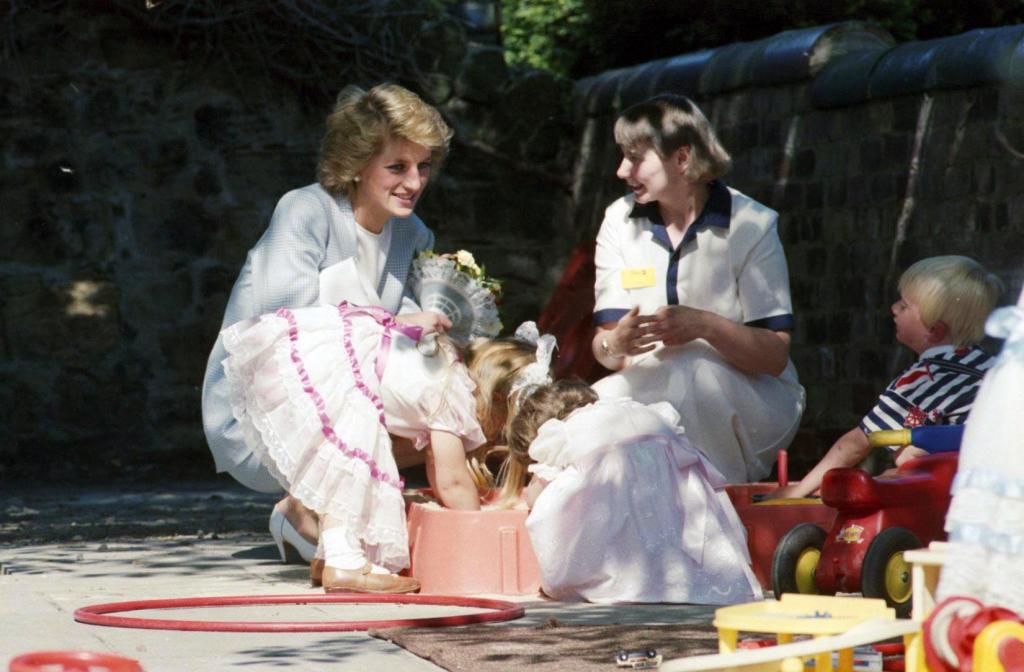
In the 1970s, we kept expanding our fostering and adoption services and we created family centres to support families in disadvantaged areas.
In the 1980s and 1990s, we developed new ways of working with children and young people, including pioneering work supporting survivors of child sexual abuse and children affected by HIV and AIDS.
One of our biggest supporters at this time was the late Princess Diana who was President of Barnardo’s from 1984 to 1996.
Celebrating 150 years of changing childhoods and changing lives

We celebrated our 150th anniversary in 2016 with events throughout the year, including a garden party held at Buckingham Palace hosted by Her Majesty Queen Camilla (then Duchess of Cornwall).
We also published a book called ‘150 Voices’ which tells the stories of 150 people who’ve been supported by us over the years.
Who we are today
We’ve always been driven by supporting children, young people and families who need us because we know that when you change a childhood, you change a life. And that’s still true today.

When life gets tough or it feels like there’s nowhere to turn, we’re here. We make sure children and young people feel safer, happier, healthier and more hopeful, by directly supporting them and their families with specialist services, raising awareness and campaigning to change things for the better.
If you would like to know more about how we change lives today, check out our Annual Report.
Find out more
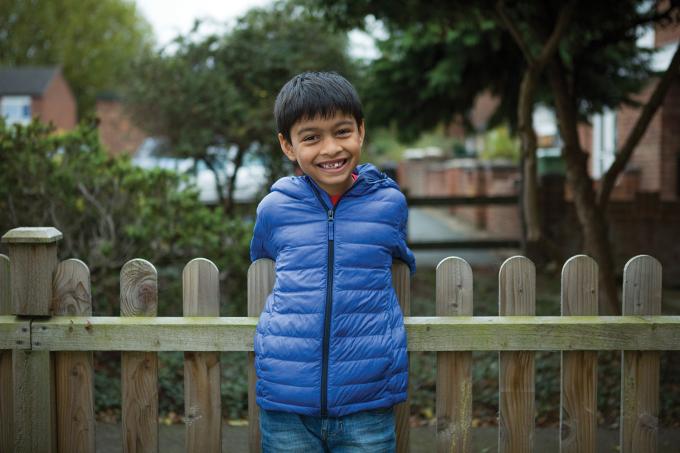
Who we are
If you’re a child, young person, parent or carer, we’ll work with you to be safer, happier, healthier and more hopeful. And we’ll do everything we can to make you feel like you belong.
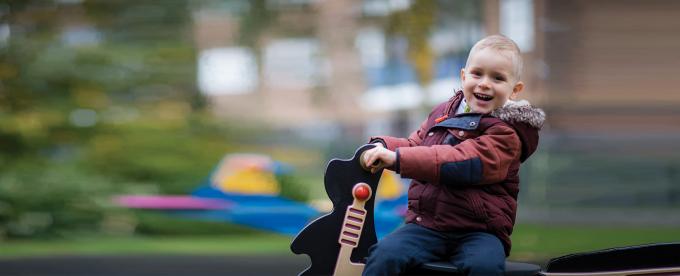
Need a helping hand? We’ve got you
We know looking after your family isn’t always easy. Whether you're looking for some helpful guidance or want to find out about support in your area, we've got your back.
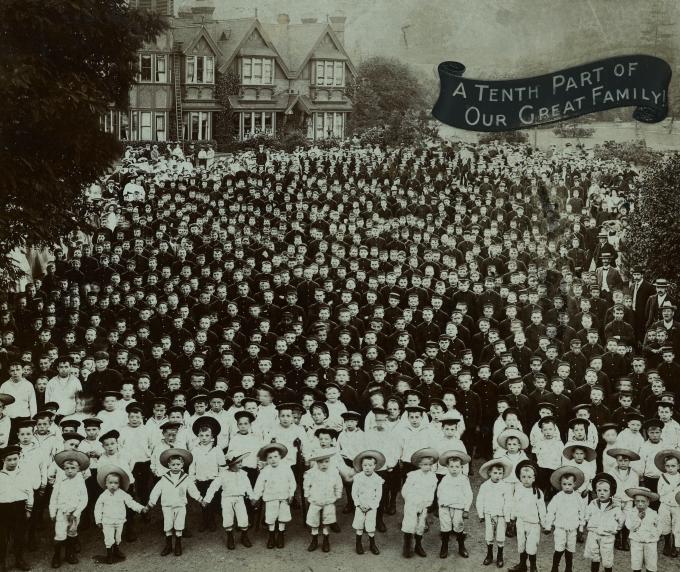
Did you grow up in a Barnardo’s home?
Taking steps to find out about your past and your family history can be a scary and emotional process. Our Making Connections team is here to support you on your journey, and help you find the information you’re looking for.